
Bad Bunny's Super Bowl Halftime Show and What it Meant for Latino Representation
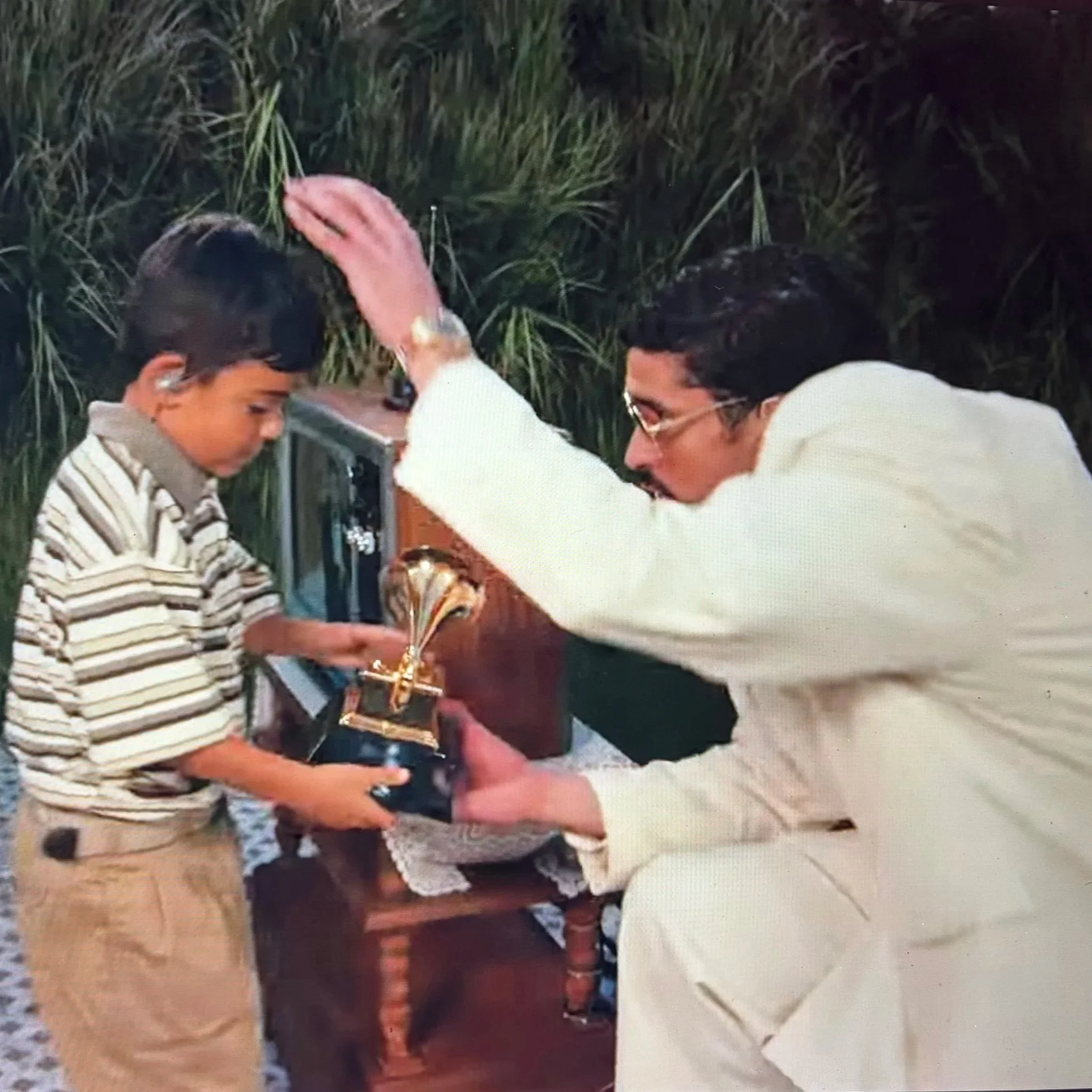
“Buenas tardes, California. Mi nombre es Benito Antonio Martínez Ocasio, y si hoy estoy aquí en el Super Bowl 60 es porque nunca, nunca dejé de creer en mí. Tú también deberías de creer en ti. Vales más de lo que piensas. Creeme.”
“Mientras uno está vivo
Uno debe amar lo más que pueda”
—“Baile Inolvidable”
To say Bad Bunny is having a moment is an understatement. His rise in the last decade has been incredible to watch. This past year, with the release of his latest project, Debí tirar más fotos, he shattered even more expectations and records. Released on January 5th, Día de los Reyes (Three Kings’ Day), an important holiday in Puerto Rico, Debí tirar más fotos captured the traditional sounds of Puerto Rico and the admiration of an older Latino generation who maybe weren’t into trap and reggetón. When I first heard of Bad Bunny around 2017, I really couldn’t get past the vulgar language. Then everything changed with his debut album in 2018, X 100PRE, an abbreviation for por siempre (forever). My husband listened to it first and liked it, recommending that I should hear it too. I loved it—I fell in love with the lyrics, and it’s still my favorite album of his. My all-time favorite Bad Bunny song, “Estamos Bien,” comes from his first album. It’s a song he wrote after Hurricane Maria, but whose verses help calm my anxiety. There are too many self-affirming lines from that song to quote here, but one of my favorites is: “Dime qué esperas tú/ Si alguien puede, eres tú.” He’s always delivered the message that you should be yourself and believe in yourself. It made me emotional to hear him continue to preach that on a massive stage like the Super Bowl.
Bad Bunny’s success and popularity are also due to the hard work of the Puerto Rican artists before him, who paved the way. In his 2018 song “Desde el corazón,” he pays homage to those influences: “Ey, escuchando salsa y reggaetón/ Daddy Yankee, Tego Calderón/ Don Omar, Wisin, Yandel/ Ivy, Vico, Eddie, René, Lavoe/ Frankie, Ismael y Curet/ Ey, todos sirvieron como inspiración/ Dios bendiga mi generación/ El Conejo desde el corazón.” Since I was a teenager, reggetón has been my favorite genre of music. It was nostalgic to hear the short medley in the halftime show appropriately honoring the biggest leaders of the reggetón movement: Daddy Yankee, Don Omar, and Tego Calderón. We’re in a time now where the greats from our youth are legends and icons today. To see Ricky Martin appear on screen performing the poignant song, “LO QUE LE PASÓ A HAWAii,” filled me with pride. Bad Bunny has had many artists cover that song at his concerts, but for the Super Bowl, Ricky Martin was the perfect choice. He was a part of the Latin boom in the late 90’s, so it was monumental to have him be a part of this historic halftime show. It felt so good to hear and see my culture represented in one of the biggest pop culture moments of all time. It was a balance of the two worlds I always experienced as a first-generation Latina in the U.S., which I wrote about in a previous blog post, “Growing Up Latina.” The vibrant sets for the halftime show, highlighting Puerto Rico and Latino culture, were moving to behold. So many of us resonated with the small detail of falling asleep at parties as a kid. When Bad Bunny was announced as the Super Bowl halftime performer, I couldn’t believe that I hadn’t thought of him as a contender. As much as I listen to his music every day, I underestimated our influential presence as Latinos. After all, a Spanish-speaking performer had never done the Super Bowl before. I didn’t know it was possible. He’d been at the halftime show before with Jennifer Lopez and Shakira in 2020, which I covered in my blog post “Mi Gente,” but this time a Puerto Rican from the island who centers that identity in his Spanish music was headlining. It was a win for all Latinos. What’s even more incredible is that the halftime show wasn’t even his biggest moment of the weekend.
Bad Bunny led a historic 31-date residency in Puerto Rico last summer, No me quiero ir de aquí, with the final show on September 20th streaming on Amazon Prime. After seeing celebrity-filled clips of each residency date weekend after weekend, I was thrilled for the opportunity to watch the show at home. It was a fun night that went on past midnight with Marc Anthony appearing towards the end, singing his beautiful anthem for the island, “Preciosa.” I sang along with pride. Then came the Latin Grammy and Grammy nominations. It wasn’t surprising to see Debí tirar más fotos receive nominations at the American Grammys; Un Verano Sin Ti had been nominated before. While I felt that Debí tirar más fotos was the best album of the year, I doubted they would give it to him at the American Grammys. I loved Leon Thomas’ album Mutt and thought that it could've easily won. I didn’t watch the Grammys live, but was paying attention to notifications of the winners. When Kendrick Lamar, Leon Thomas, and Bad Bunny each won best album in their respective genres, I was afraid Kendrick would end up winning album of the year. Therefore, I was hoping it went to Leon Thomas, whose album was huge and played everywhere. Even then, I didn’t spare a thought for Bad Bunny winning the top prize because it had never happened before. An all-Spanish language album has never won that coveted honor. So, it genuinely blew me away and made me emotional when I learned that Album of the Year at the American Grammys went to Benito, even if, ironically enough, Bad Bunny is American. That huge win showed me how much I even underestimated the influence we Latinos have: We are a mainstream audience. By becoming the biggest artist, Benito is showing us what’s possible.
On that Super Bowl Sunday, I watched on Instagram jubilant Latinos getting together, celebrating this achievement of Latino visibility. My Puerto Rican mom, who never watches the Super Bowl, didn’t miss what was dubbed as the Benito Bowl! And the conversation hasn’t stopped. The authenticity of the language and set was breathtaking, from the sugarcane plantation, piraguas, boxers, and men playing dominoes. It all represented our proud culture. Benito’s performance and detailed vision brought me close to tears. I thought it was one of the best halftime shows ever. A quick critical moment in the performance is when Benito hands his Grammy to a child who represents his 5-year-old self, telling him to always believe in himself. The sentiment that opened the show permeated until the very end with the display of all the flags that make up the Americas: “Que rico es ser Latino.”
Maria Molina is a writer of Puerto Rican and Ecuadorian descent living in Pennsylvania with her husband, Albert, and their son, Sebastian. She writes essays on pop culture, personal growth, and parenting a child with autism. Maria is the author of the novella All Souls’ Day and the short novel Bendito. She was featured in Autism Parenting Magazine.